
7 Best Medicine & Healthcare Research Programs for High School Students
The 7 best medicine and healthcare research programs for high school students, including deadlines, selectivity, and how to build a standout pre-med profile.
Medical school admissions are getting to an all-time high and extremely competitive. Top universities like Harvard, Oxford, Cambridge, Stanford, etc are no longer impressed by grades or volunteering alone. They want to see students who have engaged with real medical research and clinical reasoning even before they step into a university campus.
This is exactly why medicine and healthcare research programmes for high school students have become a useful way to build a competitive pre-med profile. Whether your interest is in neuroscience, genetics, public health, or medicine, it’s now important to have exposure to biomedical research to develop critical thinking and laboratory skills that admissions officers are actively looking for.
In this guide, we have listed out the best medical research programs for high schoolers in 2026, for students who want a more personalised route into medicine.
How to Choose the Right Medical Research Program

Not every medical research programme offers the same outcome. Before applying, students must look for:
- A proper research or clinical component, not just lectures.
- Mentorship from qualified faculty, physicians or PhD researchers.
- A tangible output, such as a research paper, or presentation.
- Transparent selectivity, cost and eligibility requirements.
- Programme structure must be aligned with your academic level and subject interest.
A finished research paper or presentation is far more stronger than just a certificate of attendance, so make sure the programme you choose has a clear academic output.
The Best Medicine & Healthcare Research Programs for High School Students
1. Stanford Institute of Medicine Summer Research (SIMR)
SIMR is an 8-week, in-person research programme for high school students and seniors interested in medicine, biological sciences and bioengineering. Students are placed in a Stanford lab under the mentorship of faculty, postdoctoral fellows, and graduate students, working on live research projects in genomics, cancer biology, and biomedical engineering.
Best Suited For: Juniors and seniors with strong STEM grades.
Cost: Small application fee
Deadline: Typically February.
Eligibility: U.S. citizens or permanent residents, aged 16+.
2. NIH High School Summer Internship Program
National Institutes of Health is a programme that places students directly into active biomedical and clinical research labs across NIH campuses, working full-time alongside leading scientists on real government-funded research.
Best Suited For: Students interested in biomedical research and public health science. Cost: Free, although some placements are paid.
Deadline: Usually rolling from November to March.
Eligibility: U.S. high school students aged 16 and above.
3. Sapiente Education’s Medicine Programme
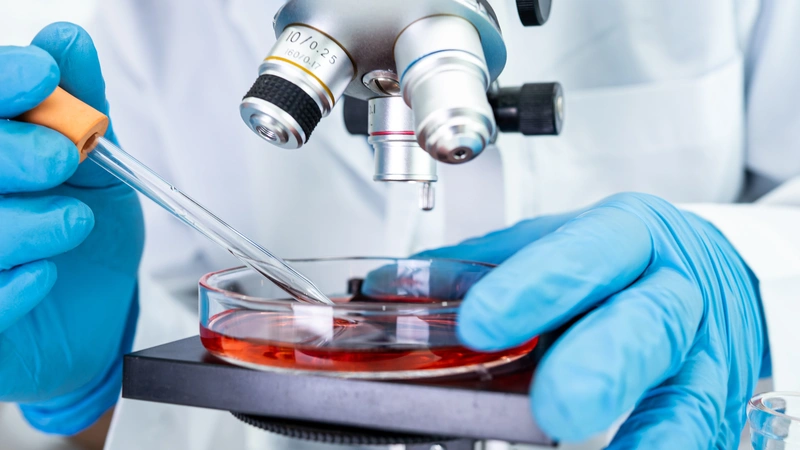
Sapiente’s Medicine programme offers a flexible, year-round, 1-to-1 mentorship pathway covering human physiology, clinical reasoning, neuroscience, medical research methods, and public health ethics. Students work directly with Oxbridge and industry mentors, including researchers from institutions like Harvard and ETH Zurich, to produce a genuine academic output such as a research paper, essay, or presentation, alongside an official certificate.
Best Suited For: Students worldwide who want personalised mentorship rather than a competitive lab placement.
Cost: Programme-based, consultation available before enrolling.
Deadline: Rolling, selective monthly admissions.
Eligibility: Students worldwide aged 13 and above who are curious about medicine and related fields.
4. Boston University RISE Internship/Practicum
RISE programme is a 6-week, university-level research programme for upcoming seniors, that pairs students with individual faculty mentors across biomedical, life sciences, and clinical research labs at Boston University. The primary focus of this programme is independent lab-based research and written reports.
Best Suited For: Rising seniors seeking a residential research experience.
Cost: Tuition-based, with residential and commuter tracks.
Deadline: Typically in the spring.
Eligibility: Domestic students (U.S. citizens or permanent residents) currently in their junior year of high school, entering senior year in the fall.
5. UCSF Summer Student Research Program
University of California, San Francisco's summer programme connects high school students with mentors across the University of California, San Francisco's healthcare and research faculty, culminating in an individual scientific presentation. It's particularly strong for students exploring clinical and translational medicine.
Best Suited For: Students exploring a career in clinical medicine or healthcare research. Cost: Stipend provided.
Deadline: Typically mid-February.
Eligibility: High school juniors or seniors, at least 16 years old by June 1st of the programme year, with at least one completed year of math and biology; students from underrepresented backgrounds are especially encouraged to apply.
6. Penn Medicine Summer Program for High School Students
Penn Medicine Summer programme is an immersive, university-based programme for juniors and seniors that combines clinical simulations, lab demonstrations, and hands-on skills training, offering a broad introduction to what a career in medicine actually involves.
Best Suited For: Students still exploring whether medicine is the right path.
Cost: Tuition-based; financial aid available.
Deadline: Typically spring.
Eligibility: Rising high school juniors and seniors, ages 15 to 18.
7. Fred Hutchinson Cancer Center’s SHIP Program

The Summer High School Internship Program (SHIP) begins with two weeks of lab safety and technique training before placing students in a faculty member's cancer research lab for six further weeks of hands-on, mentored research.
Best Suited For: Students specifically interested in oncology and cancer biology.
Cost: Free; paid internship.
Deadline: Typically March.
Eligibility: High school students entering their senior year, at least 16 years old by the programme start date, residing in the Greater Seattle area (housing is not provided, and international students cannot be accepted).
Common Mistakes Students Make When Applying
- Applying to lab-placement programmes without the required prerequisite coursework.
- Choosing prestige over actual research fit and interests.
- Missing early deadlines for most selective programmes.
- Underestimating the competitiveness of top-tier programs and how rigorous their admissions process is.
- Skipping mentorship-based programmes that produces strong publishable research output.
Conclusion
Whether you are aiming for a highly selective lab placement at Stanford, or prefer a more personalised, mentorship-driven programme, it’s important to engage with medical research in high school to build a strong, competitive pre-med profile. The right programme depends on your current level, your subject interest, and how much support you need to produce real academic work.