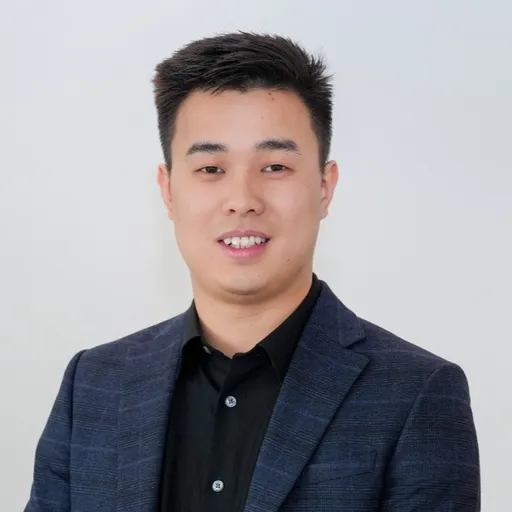
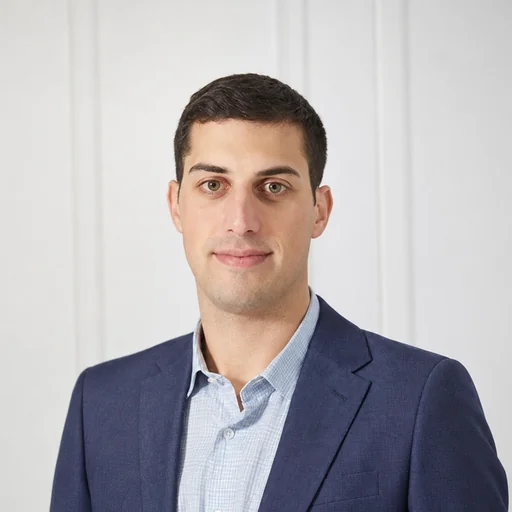
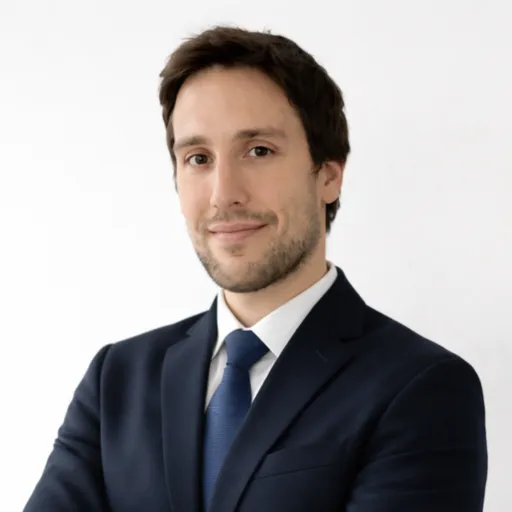
50+Mentors across Sapiente
Find the right mentor for your research
These are a few of the mentors in our wider team. Explore their backgrounds and the subjects they can help you research.
Meet our mentors

Research & Publication Programmes
Your research programme
Choose the depth and support that suit your experience, interests and academic goals.
| ScholarTuitionUSD 3,250 | MasteryTuitionUSD 6,450 | |
|---|---|---|
| Best suited to | A first substantial research project. | A deeper investigation with more time for analysis. |
| Recommended age | 13–19 | 16–23 |
| Duration | 2–4 months | 3–6 months |
| Live one-to-one sessions | 12 sessions8 with a mentor + 4 with a Research Assistant | 20 sessions15 with a mentor + 5 with a Research Assistant |
| Publication goal | Publication in an entry-level high-school journal. | Publication in a high-school or college-level journal. |
| Format | Online, with a schedule agreed around your studies. | Online, with a schedule agreed around your studies. |
| Apply for Scholar | Apply for Mastery |
Research mentors
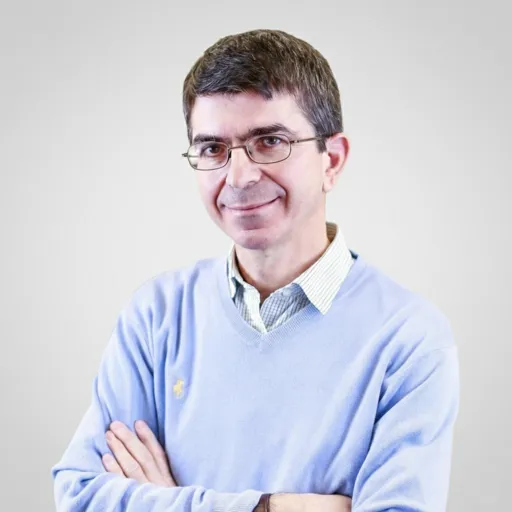
Angelo Cangelosi is a Professor of Machine Learning and Robotics at the University of Manchester and the founder of the Center for Robotics and AI. He is also a Fellow of the Alan Turing Institute and has authored more than 500 scientific publications.
Angelo Cangelosi · 1 / 8
Recommended for students aged 16 to 23 who are ready to pursue a mature and sustained research project.
Approximately 3 to 6 months, with 20 live one-to-one sessions across research development, writing, revision, and presentation.
A long-term research programme for students who want to pursue scientific or scholarly research under the guidance of a professor, senior researcher, or expert mentor from a leading institution. The programme includes structured academic support and research assistance throughout the process.
A research paper published in a scientific journal, a certificate of completion, a recommendation letter where appropriate, and a parent progress report if needed.
Recommended for students aged 13 to 19 who want a first substantial experience in academic research and publication.
Approximately 2 to 4 months, with 12 live one-to-one sessions, typically combining mentor guidance with research or writing support.
A focused research programme for students beginning their publication journey. The student works on a realistic research question, develops a structured written output, and receives guidance on academic argument, clarity, and revision.
A research paper or academic essay published in an entry-level scientific journal, together with a certificate of completion, portfolio evidence, and a recommendation letter where appropriate.
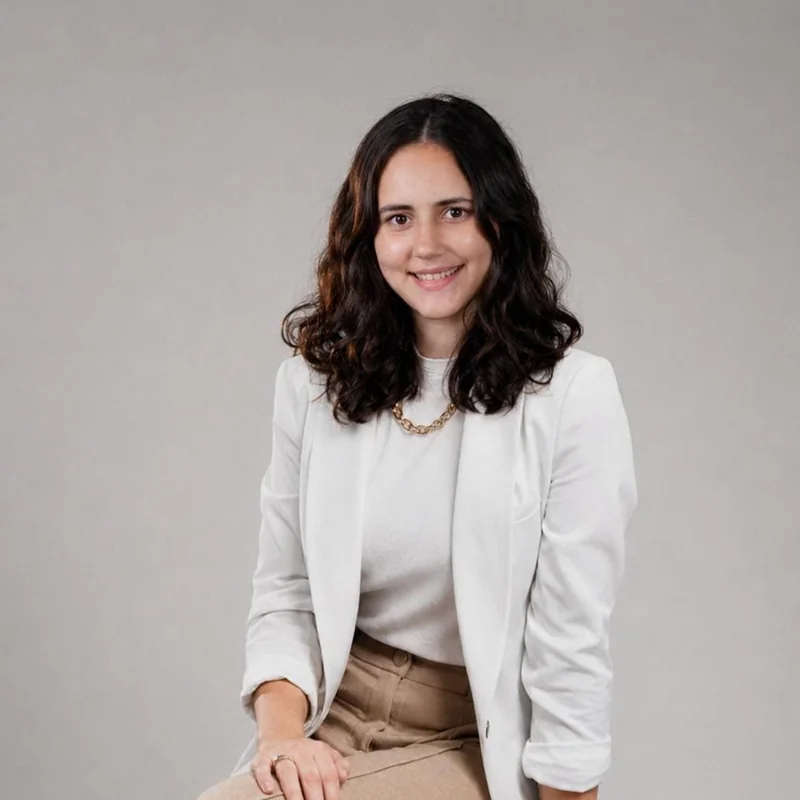
Alicia
Age 19 during the programme
Mastery One-to-one
Student research in action
What families receive
Many families attach these materials to applications for selective schools, summer programmes, and competitive university admissions.
Subjects
We design long-term research programmes around demanding intellectual disciplines, student interests, and publication-suitable topics.
Publication timeline
Stage 1
2 to 6 months
Mentorship guidance, literature review, research framing, and drafting of the manuscript.
Stage 2
1 to 3 months
Journal screening, reviewer assignment, scientific review, and editorial assessment.
Stage 3
1 to 3 months
Address reviewer comments, refine the analysis, improve the manuscript, and resubmit.
Stage 4
1 to 2 months
Final acceptance, copy-editing, formatting, online publication, and publication record.
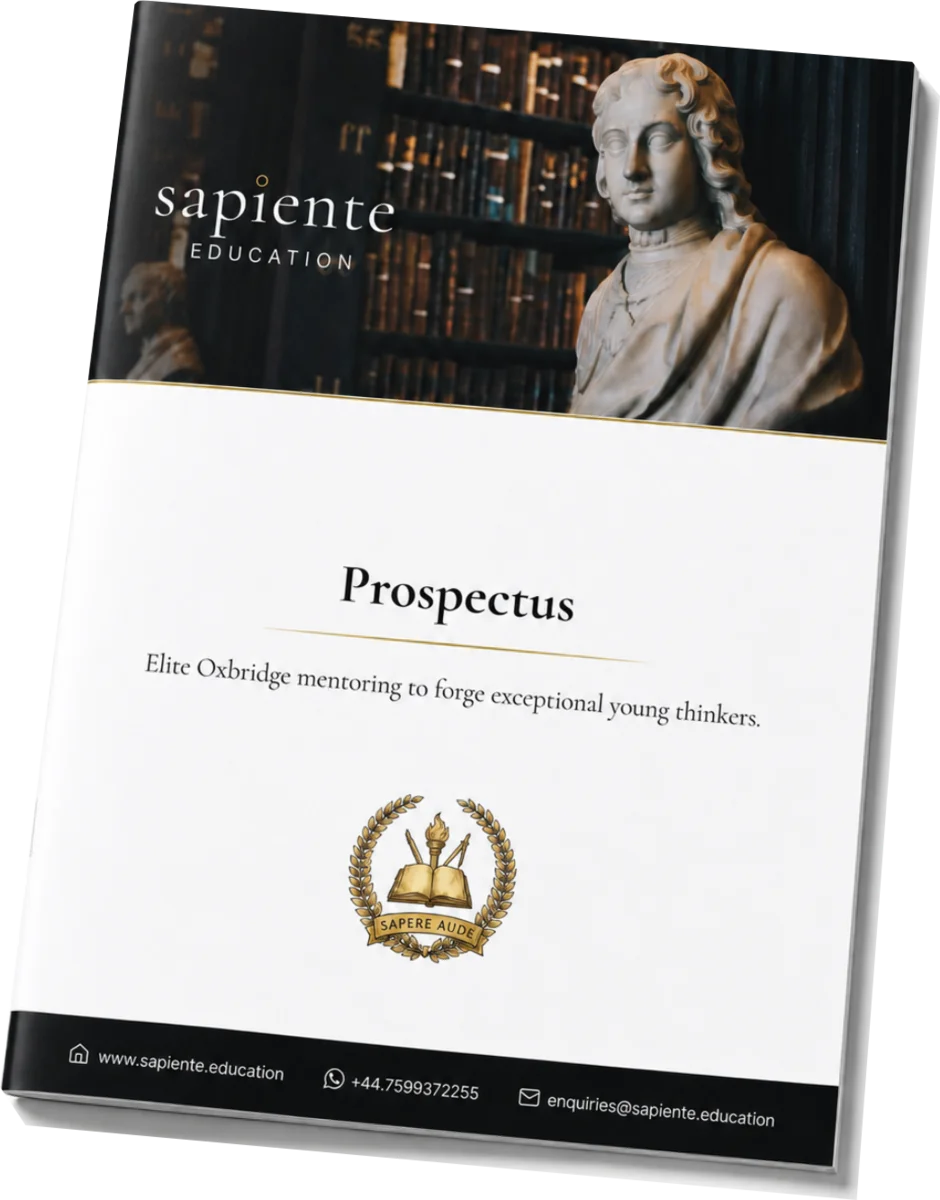
Sapiente prospectus
Discover our programmes and academic model in a concise prospectus designed for families considering Sapiente Education.
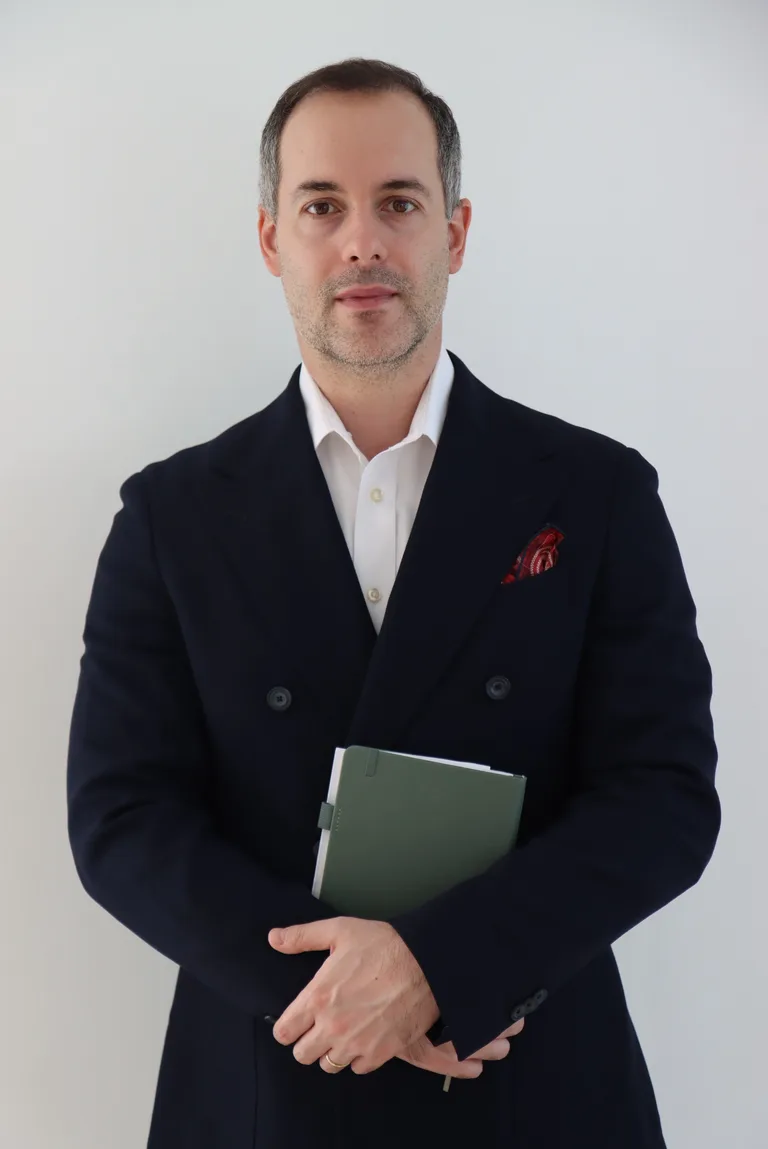
I created Sapiente so ambitious teenagers don’t have to wait 10 years to think at a world-class level. Our job as a team is to compress that journey with serious, one-to-one training that traditional schools simply cannot offer.
Max Patacchiola, PhD & Founder of Sapiente Education









Start your application, or speak with our Admissions team on WhatsApp if you have any questions.
Strictly selective. We admit a limited number of students monthly.
Research & Publication
Practical answers about research, mentoring and getting started.
Projects can be adapted for students who are new to research. We consider your academic background, interests and goals when choosing an appropriate starting point. More advanced projects may require relevant subject knowledge or technical skills, which we discuss during admissions.
Yes. You can propose a topic or describe an area you would like to explore. Your mentor can also suggest suitable research directions based on your interests and academic level. You agree on the final topic together during the early stages of the programme.
We match you with a mentor whose expertise suits your subject, research interests and academic level, taking schedules and availability into account. You receive the proposed mentor’s profile and research plan before the programme begins. You can also mention a preferred mentor during your application.
Your mentor guides the academic direction of the project and provides expert feedback. Your Research Assistant supports the practical work, such as reviewing literature, learning research tools, analysing data and improving drafts. Research Assistants are typically Master’s students or early-stage PhD researchers.
For Scholar and Mastery, expect approximately 1–5 hours of independent work per week alongside your live online sessions. This may involve reading, analysis, coding or writing, depending on your project. Sessions and deadlines can be planned around school commitments, with adjustments discussed in advance.
You carry out the main research and writing with guidance from your mentor and Research Assistant. You will normally be the first author when you have made the main contribution. Other authorship and acknowledgements reflect each person’s contribution and the journal’s requirements.
Your mentor and Research Assistant help you develop the manuscript, identify a suitable journal, prepare the submission and respond to reviewer feedback. If the paper is not accepted, the programme fee includes support to improve it and prepare one further submission to an appropriate journal. The journal makes the final publication decision.
A USD 200 deposit starts the mentor matching process and is credited towards your tuition. If we cannot complete a suitable mentor match, the deposit is fully refundable. Once the match and programme details are confirmed, we agree on a start date around your schedule and mentor availability. The remaining tuition, or first agreed instalment, is due before the programme begins.