
From Genetic Diseases to Functional Care: What Medicine’s Latest Breakthrough Teaches Us About the Future of Healthcare
Discover how a medical breakthrough for sickle cell disease is revealing about the future of medicine, research and innovation
Introduction
In April 2026, researchers had released a shocking announcement that would have seemed impossible to believe just a decade ago.
A gene-editing therapy for severe sickle cell disease helped 27 out of 28 patients achieve ‘functional cure’ as referred to by the medical researchers. For many of these patients, this painful sickle cell disease disappeared after a single treatment, marking this as a significant milestone in the development of CRISPR-based therapies (Cleveland Clinic, 2026).
For students who are aspiring to become doctors, scientists, and healthcare professionals, this is a significant development that is far more valuable than any other medical success story. This is proof that research, innovation, and scientific curiosity can make the impossible possible, and redefine modern healthcare.
A New Era of Medical Advancements
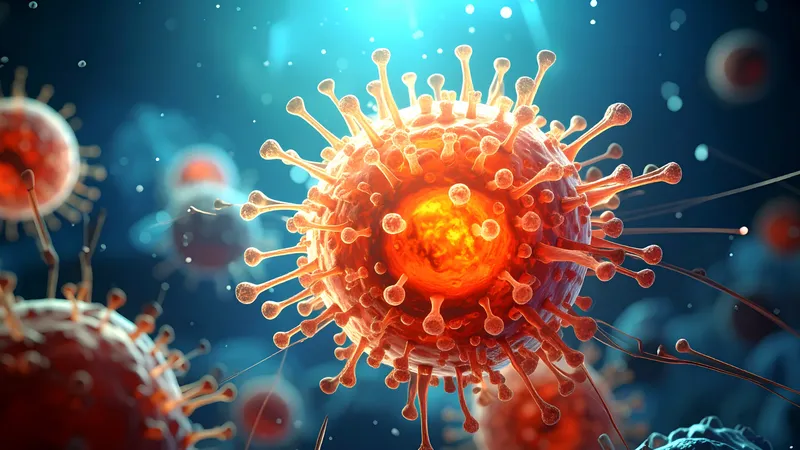
Over the centuries, medicine has evolved through research-based scientific discoveries. Vaccines and antibiotics have transformed public health and the way people are treated for infectious diseases, and the discovery of organ transplantation has provided a new ray of hope for patients dealing with life-threatening diseases.
Today, a new era of medicine is rising through gene editing, personalised medicine, artificial intelligence, and genomic research (World Health Organisation, 2025).
The recent success in treating sickle cell disease has highlighted an important reminder that every breakthrough has come about through years of research, testing, analysing evidence and critical thinking.
While we tend to focus only on the final headline, we often forget that progress in research happens only when the researcher is willing to ask difficult questions and explore new solutions.
Why Does Research Matter More Than Ever?
Emerging diseases, aging population, antimicrobial resistance and global health inequalities proves that healthcare is facing multiple complex challenges, and the urgent need for innovative approaches and solutions.
This is one of the main reasons why having prior research skills has become extremely important and needed for students who are interested in pursuing their careers in medicine and healthcare. Universities are looking for applicants who can show their curiosity, critical thinking skills, and a genuine interest in advancing healthcare.
Research allows students to explore complex questions like:
- How can we detect diseases at an earlier stage?
- What role does AI play in healthcare?
- How can we personalise treatments?
- What are the ethical challenges that genetic engineers face?
- How can healthcare become more accessible worldwide?
Answers to these questions will form the future of medicine.
Medicine at Sapiente
Students at school learn about traditional science that lays the foundation for biology, chemistry, physics, and mathematics. However, some of the most intellectually awakening learning takes place when students begin to apply that knowledge to real-world problems.
Through personalised research and mentorship, students can move away from memorisation, and develop a deeper understanding of how medical discoveries actually happen. They will learn to analyse different scientific literature, evaluate and analyse evidence that extends far beyond traditional classroom teachings.
At Sapiente, our medicine programmes are designed to help students develop a deeper understanding of healthcare, medicine, scientific research and innovation by working closely with experts from the University of Oxford, Cambridge, Harvard, MIT and many other leading institutions.
Our Programmes
Research & Publication Programmes
Our Research & Publication Programmes offer a long-term, personalised, one-to-one mentorship approach, for students who are looking to explore medicine in depth.
Students will learn how to:
- Conduct academic research
- Analyse scientific literature
- Develop research questions
- Evaluate evidence critically
- Produce an original research project
These programmes are ideal for students who want to gain a deeper understanding of medicine and wish to conduct independent academic research.
Intensive Programmes
Our Intensive Programmes are meant for students who are looking for a shorter and more focused learning experience within a compressed timeframe.
These programmes are available in both one-to-one, and group formats, and they explore key medical topics through expert guidance, case studies, discussions, presentations, essays, and practical learning activities.
They also provide an excellent opportunity for students to get introduced to the field while helping them to build knowledge, confidence and clarity about future pathways.
The Future Belongs to Curious Minds
The recent advancements in gene-editing therapies serve as a strong reminder that today’s discovery is yesterday’s question. Behind each and every innovation is a researcher who is willing to find the answer to challenging questions and assumptions.
As medicine and healthcare continue to evolve, it’s important for students to develop the right skills like critical thinking, research experience, scientific tools and methods to position themselves ahead of the competitive world.
Whether you choose to pursue our Research & Publication or Intensive programmes, we at Sapiente aim to help our students explore medicine in meaningful ways and develop the right skills needed for healthcare innovation.
References
Association of American Medical Colleges (AAMC). (2025). Why Research Matters for Future Medical Students. https://www.aamc.org
Cleveland Clinic. (2026). Gene Editing Therapy Shows Success Against Severe Sickle Cell Disease. https://newsroom.clevelandclinic.org/2026/04/01/gene-editing-therapy-shows-success-against-severe-sickle-cell-disease
World Health Organization. Genomics and World Health. https://www.who.int/health-topics/genomics